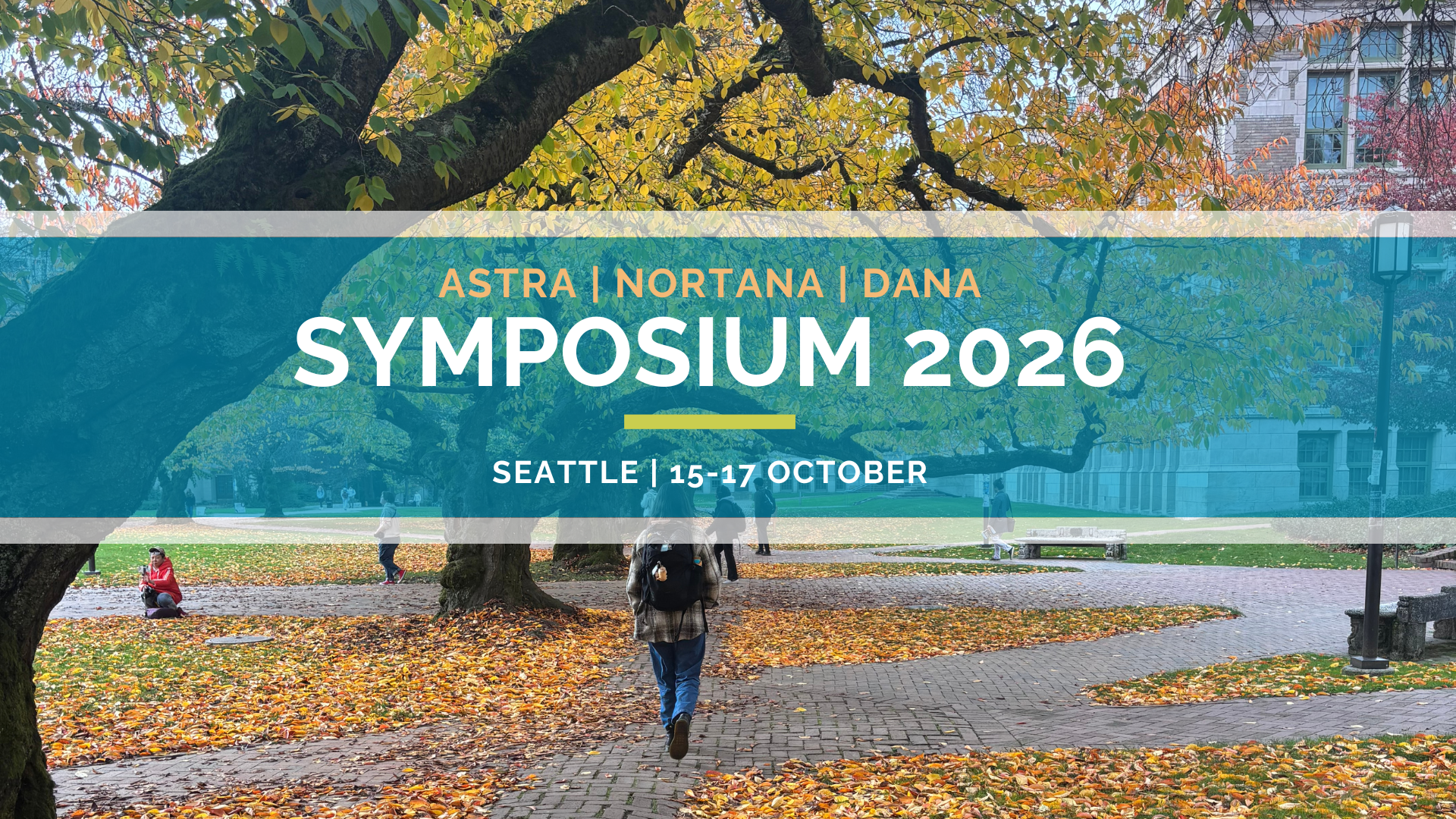
ARKIVISM 3.0
From the Archive, to the Classroom, and Back Again
ASTRA - NORTANA - DANA Unified Symposium 2026
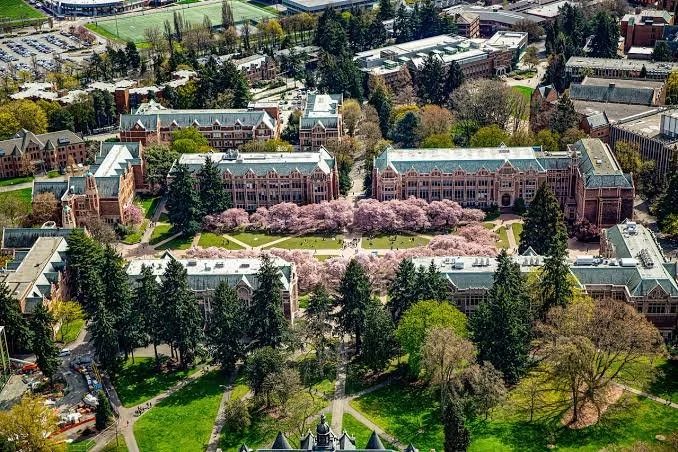
Thursday, October 15 - Saturday, October 17 | University of Washington | Seattle
Welcome to the ASTRA/NORTANA/DANA unified symposium at the University of Washington on October 15-17, which explores how archives shape culture, memory, and citizenship and can be used as a powerful pedagogical tool to help students engage with language and culture. Authors, archivists, and fellow teachers from both sides of the Atlantic will present and lead workshops on why the archives matter more than ever and how we can use them in our teaching and research.
Additionally, participants may register for an optional, hands-on, pre-symposium workshop co-hosted by our guest speakers and Anne Jenner, Curator of the Pacific Northwest Collection at the University of Washington. This event will be held in Special Collections on the UW campus on Thursday from 09:00-16:00. This opportunity is free of charge, but space is limited, so make sure to register early.
Not yet a member of ASTRA, NORTANA, or DANA? Join today!
-
For colleagues who might be new to the idea of arkivism, here’s a bit of background. At its annual meeting in 2024, ASTRA highlighted the book Arkivism by Helene Larsson Pousette and Lina Thomsgård, which empowers everyday people to participate actively in changing history and the way history might be written in the future by drawing attention to the lives of people who have not (or not always) been considered properly historical. This happens in multiple ways. Arkivism first seeks to demystify archival work. While not shying away from addressing the violent potential of what can be cold, intimidating state institutions, the book importantly encourages us to think about the critical role that archives play in helping society to function. The book draws upon the experience of archivists, authors, journalists, and artists who use archives to do their work in inspiring ways. Taking the underrepresented history of women in Sweden as its central example, Arkivism offers practical tools and inspiration for non-specialists and specialists alike to unearth traces of the lives of individuals who weren’t always considered important enough to document, whether women, racialized minorities, immigrants, or members of the working class.
Importantly, Arkivism is equally devoted to ensuring that histories written in the future better reflect the diverse world we live in. Guided by the conviction that everyday lives should be documented, the second section of the book, titled “Du är historisk!” “YOU are historical!” lays out straightforward tools for archiving a loved one, a local organization, or yourself. Arkivism is a practice for anyone and everyone.
Put otherwise, Arkivism is part of ongoing work documenting contemporary life and revising histories in Scandinavia, alongside projects like Stockholms Kvinnohistoriska Museet and Black Archives Sweden.
ASTRA adopted Arkivism to explore how either section of the book might inspire new approaches to research and teaching with the potential to generate public-facing humanities research and foster connections between our institutions and broader communities. We also believe that arkivism has the potential to bolster active participation in democratic institutions, raise consciousness about the need for inclusive history writing for the future, and help our students and our language programs to understand that they too are historical and deserve to be preserved for the future, especially in the age of AI.
-
This year’s symposium has been made possible with generous support from The Barbro Osher Endowment in Swedish Studies, The Arestad Endowment for Excellence in Norwegian Studies at the University of Washington, and Svenska Institutet.
We are delighted to be able to cover travel costs for TAs, graduate students, and independent or precariously employed scholars in our networks, particularly those without access to research funds. It might also be possible to subsidize travel for other participants. If you would like to be considered for travel reimbursement, please indicate this when registering and include an estimate of your flight cost.
Lodging for two nights at the Silver Cloud Inn [University District] – Thursday and Friday night— will also be covered for registered participants traveling to Seattle. We have reserved a block of both single and double rooms. If you would like to stay in one of these rooms, please complete the registration form.
Any additional nights of lodging you require may be booked directly through the hotel website, though the cost for these must be covered by you.
We kindly request that you submit your conference registration by 20 September at the latest (and sooner if possible!). We also appreciate that you include precise information so that we can avoid unnecessary additional expenses. If you know of someone who should have received this email, but didn’t, please forward it.
Directions to the hotel from SeaTac airport and UW campus:
To get there from the airport, we recommend the Light Rail (train)—if you follow the signs in the airport and through the parking garage, you will get to the Light Rail platform (tickets are $3.00 and can be purchased from machines before going up to the train platform, or simply on your phone). Sea-Tac Airport | Sound Transit You can then take a train heading in the direction of Lynnwood – you will need to get off at the U-District Station: Seattle-Tacoma International Airport to U District, Seattle, WA 98105 - Google Maps.
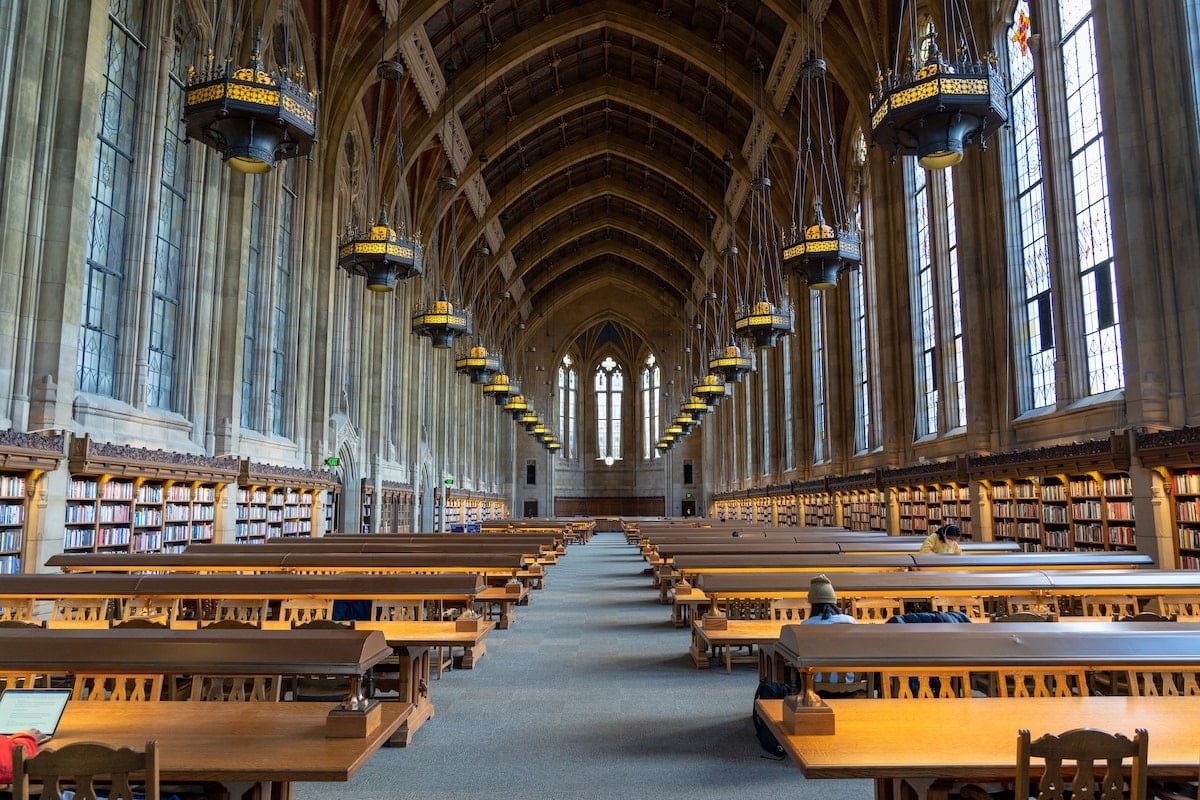
From there, you can get an Uber/Lyft/taxi to the hotel. Alternatively, you can take the Light Rail to the University of Washington station and then catch a bus: Seattle-Tacoma International Airport to Silver Cloud Hotel - University District - Google Maps.The first activity on 10/15 will be held in the Petersen Room of the Allen Library, and walking directions from the hotel are: Silver Cloud Hotel - University District to Suzzallo and Allen Libraries - Google Maps, or if you prefer to take a bus ($3.00, you can pay cash – exact change – when you board, or buy a ticket with your phone: Transit GO Ticket - King County, Washington), these are directions for that: Silver Cloud Hotel - University District to Suzzallo and Allen Libraries - Google Maps.
Email: arkivism@uw.edu with any questions you might have.
Guest Speakers:
-
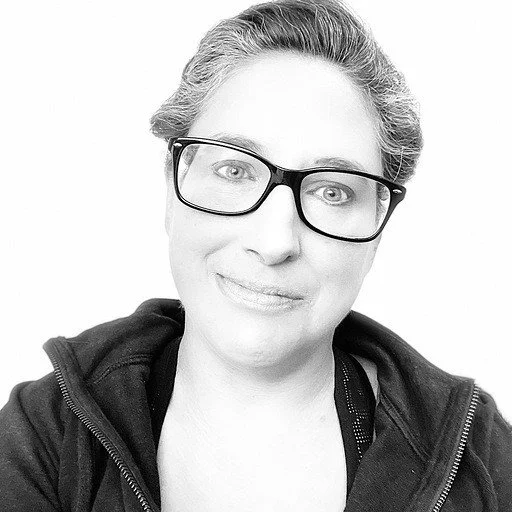
Anne Jenner has overseen the flagship Pacific Northwest Collection at UW Libraries since 2012. She co-created the We Are History Keepers! free community archiving workshops that served the Puget Sound area from 2016 through 2022. She held earlier posts as Director of Archives and Special Collections at North Park University in Chicago, Head of Library and primary cataloger at the Swenson Swedish Immigration Research Center in Rock Island, Illinois, lecturer of Swedish and Scandinavian Studies at the University of Pennsylvania, and membership coordinator/docent at the American Swedish Historical Museum in Philadelphia. She holds an M.A. in Scandinavian Languages and Literature from the University of Washington and an M.L.I.S from the University of Illinois Urbana-Champaign.
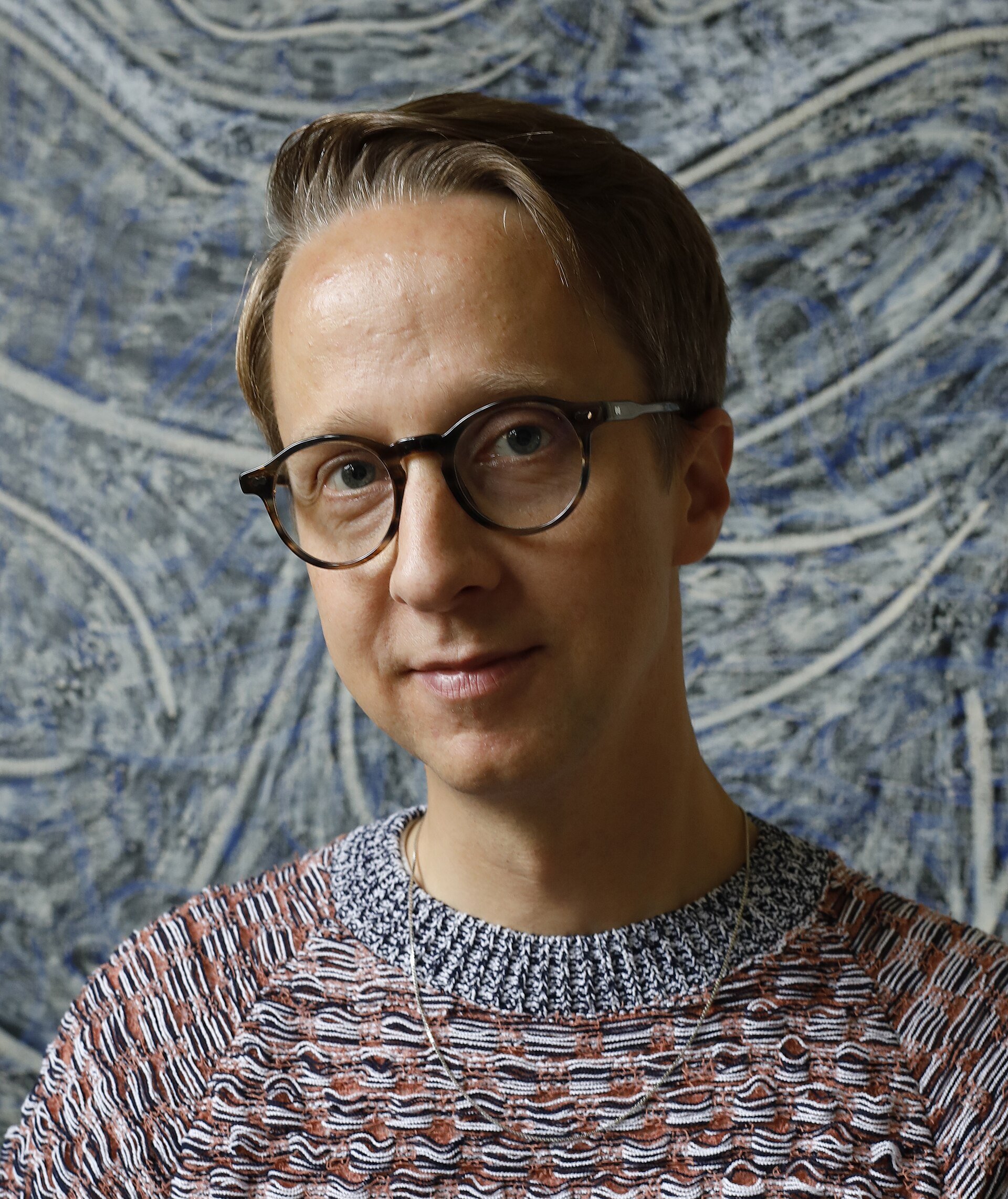
Foto: Ida Lehtonen
-
Karl-Magnus Johansson är förste arkivarie vid Riksarkivet i Göteborg och hedersdoktor vid humanistiska fakulteten, Göteborgs universitet. Genom olika former av publik verksamhet, såsom undervisning i ett flertal universitetskurser, arbetar han med att öka kunskapen om och förståelsen för arkiv. Hans intresseområden spänner över praktiska och teoretiska dimensioner av arkiv i relation till medskapande, mikrohistoria, konstnärliga praktiker och visuella medier. Han är författare till flera populärhistoriska och arkivvetenskapliga artiklar och redaktör för två internationella antologier i gränslandet mellan arkiv och samtidskonst: Communication the Archive Physical Migration (2013) och Inscription (2018), samt den filmvetenskapliga antologin Filmens Göteborg – spår, erfarenheter och resultat från ett samverkande forskningsprojekt (2021).
-
Helene Larsson Pousette har arbetat med museifrågor i över 20 år – på Historiska museet och Riksantikvarieämbetet, hon var med och grundade Stockholms Kvinnohistoriska och har suttit i en rad internationella museiorganisationer. Hennes fokus har varit att driva museiutveckling framåt och skapa metoder för, och samarbete mellan, konstnärer och forskning, samlingar och arkiv med fokus på representation. Efter att ha arbetat på Svenska institutet och varit kulturråd i Serbien och nyligen i USA är hon återigen verksam i Sverige. Hon är mycket intresserad av arkiv och samlingar i nära relation till historieskrivning, historiebruk och även konstnärliga interventioner av dessa. Hon har bidragit till internationella projekt som We Hear You–A Climate Archive och Creative Mentorship Serbia och har tillsammans med Lina Thomsgård varit initiativtagare för metoden och boken, Arkivism: En handbok–Hitta, spara och organisera för framtidens historieskrivning (2021).

Foto: Kari Margrethe Sabro, Eier: NB.
-
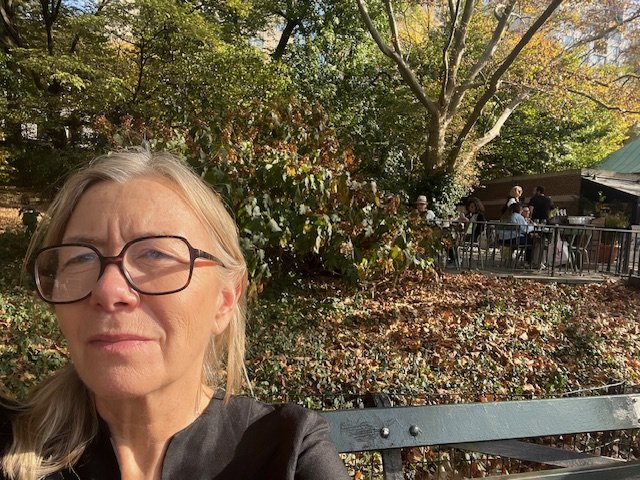
Rebecca Boxler Ødegaard, født 1976 i Tyskland, har et hovedfag i nordisk litteratur og en lektorgrad i norsk/tysk fra universitetene i Tübingen og Oslo. Siden 2009 arbeider hun som arkivar og forsker ved Nasjonalbiblioteket i Oslo der hun arbeider med innsamling, forvaltning og formidling av arkiver etter forfattere og litterære institusjoner. Hun er særlig opptatt av å nå nye brukergrupper som videregående elever og studenter gjennom framvisninger og foredrag. Hun er ansvarlig for arkivet etter Sigrid Undset og er utgiver av Undsets private brev i e-bok-serien NB kilder. Brev til Nini Roll Anker 1911–1940 kom 2021 til 2023, delvis innenfor forskningsprosjektet Made Abroad: Producing Norwegian World Literature in a Time of Rupture, 1900–1950. Hun skriver populærvitenskapelig og vitenskapelig og har bl.a. bidratt til antologien The Voices of Jon Foss (2025, Ødegaard: Sounding German: An Exploration of Linguistic Devices in Trilogien versus Trilogie). Hun bidrar regelmessig til Arkivarforeningens tidsskrift Norsk arkivforum, bl.a. Sigrid Undset: Et arkiv for vår tid, eller om arbeidet med et forfatterarkiv (2021) og Ebba Haslund og krigen, eller veien til et forfatterskap (2023). For tiden ordner hun Kjell Askildsens (1929–2021) papirer og arbeider med brevene fra Undset til forfatteren Nils Collett Vogt (1864–1937), under MAP-prosjektet.
This year’s symposium has been made possible with generous support from:
The Barbro Osher Endowment in Swedish Studies
The Sverre Arestad Endowment for Excellence in Norwegian Studies at the University of Washington
Svenska Institutet
MEMBER ORGANIZATIONS
ASTRA - Association of Swedish Teachers and Researchers in America
Merete Leonhardt-Lupa, president.
ASTRA is a non-profit organization for researchers and teachers involved in Swedish language, linguistics, literature, culture, and area studies. ASTRA promotes the study of Swedish, Sweden, and other Swedish speaking contexts at all levels, and works to facilitate cooperation between scholars engaged in these fields.
NORTANA - Norwegian Researchers and Teachers of North America
Ida Moen Johnson, President.
NORTANA strives to engage in all activities that will enhance Norwegian studies in North America, and which will prove to be of mutual benefit to teachers of Norwegian and the instructional program they serve. By way of example, these activities include the preparation and publication of textbooks, workbooks and related teaching materials; the sharing of information through newsletters and teaching materials catalogs; the acquisition of funds to finance conferences, workshops, and seminars that will encourage a spirit of cooperation and collegiality among the instructors of Norwegian studies.
DANA - Danish Academic Network of America
Claus Elholm Andersen, President.
DANA members are lecturers, professors, instructors, independent scholars, teaching assistants, graduate students and administrators of educational institutions in the US and Canada, who engage the Danish language and Danish subject matter in teaching and research in the humanities, social sciences, and cross-disciplinary studies.

University of Washington, Department of Scandinavian Studies
Department Chair - Marianne Stecher-Hansen
Symposium Chair(s) - Amanda Doxtater, Caroline Brekkan
Symposium Coordinator - Stacey Breitberg
The Department of Scandinavian Studies at the University of Washington was established in 1909 by a special act of the Washington State Legislature. During its history, the Department has grown from a one-person institution to comprise a teaching staff of twelve full-time faculty in Scandinavian and Baltic Studies. Adjunct faculty whose appointments are in other Departments make their expertise available in a variety of courses with considerable Scandinavian content. Affiliate faculty, likewise, occasionally teach and serve as valuable resources to our students. With a total enrollment of approximately 40,000 students at the University of Washington, the Department enrolls 1,600 undergraduates annually in its many courses.
The Scandinavian Department began offering an M.A. program in 1948 and has offered a Ph.D. program since 1967. Graduates from the Department have established careers in business, the professions and education. Graduate seminars are offered in Scandinavian literary genres, medieval literature, mythology, folklore, drama, film, politics, history, Old Icelandic and linguistics. On the undergraduate level, the Department offers majors in Danish, Norwegian, Swedish and Scandinavian Area Studies as well as minors in Baltic Studies, Danish, Norwegian, Finnish, Swedish, and Scandinavian Area Studies.